 The Art of Shaping Metal: A Comprehensive Guide to Metal Fabrication
When it comes to working with metal, there are numerous techniques and processes that can be used to shape and mold this versatile material into the desired form. One of the most common methods used in various industries is metal fabrication, which involves the construction of metal products by cutting, bending, and assembling various metal components. Metal fabrication plays a crucial role in the production of various items, ranging from simple tools and machinery to complex structures and equipment. By understanding the metal fabrication process, you can appreciate the complexity and skill involved in creating the metal products that surround you every day.
The Metal Fabrication Process
To begin with, metal fabrication involves several stages, each of which requires careful planning and execution. The first step in the process is to design and plan the metal product, taking into account factors such as the type of metal to be used, the size and shape of the product, and the intended application. Once the design is finalized, the metal fabrication process can begin, which typically involves cutting the metal into the required shape and size. This can be done using various techniques, including laser cutting, plasma cutting, and machining, depending on the type of metal and the desired level of precision.
Cutting and Shaping Metal
One of the most critical stages of metal fabrication is cutting and shaping the metal. This can be a challenging task, as it requires a high degree of accuracy and precision to achieve the desired shape and size. There are various techniques that can be used to cut and shape metal, including sawing, shearing, and punching. Sawing involves using a sawing machine to cut the metal into the required shape and size, while shearing involves using a shear machine to cut the metal into straight lines or curves. Punching, on the other hand, involves using a punching machine to create holes or shapes in the metal.
Bending and Forming Metal
In addition to cutting and shaping metal, metal fabrication also involves bending and forming the metal into the desired shape. This can be a complex process, as it requires a great deal of skill and expertise to achieve the desired shape and form. There are various techniques that can be used to bend and form metal, including press braking, roll forming, and spinning. Press braking involves using a press brake machine to bend the metal into the required shape, while roll forming involves using a roll former machine to shape the metal into a curved or angular shape. Spinning, on the other hand, involves using a spinning machine to create symmetrical shapes, such as bowls or cylinders.
Welding and Assembling Metal
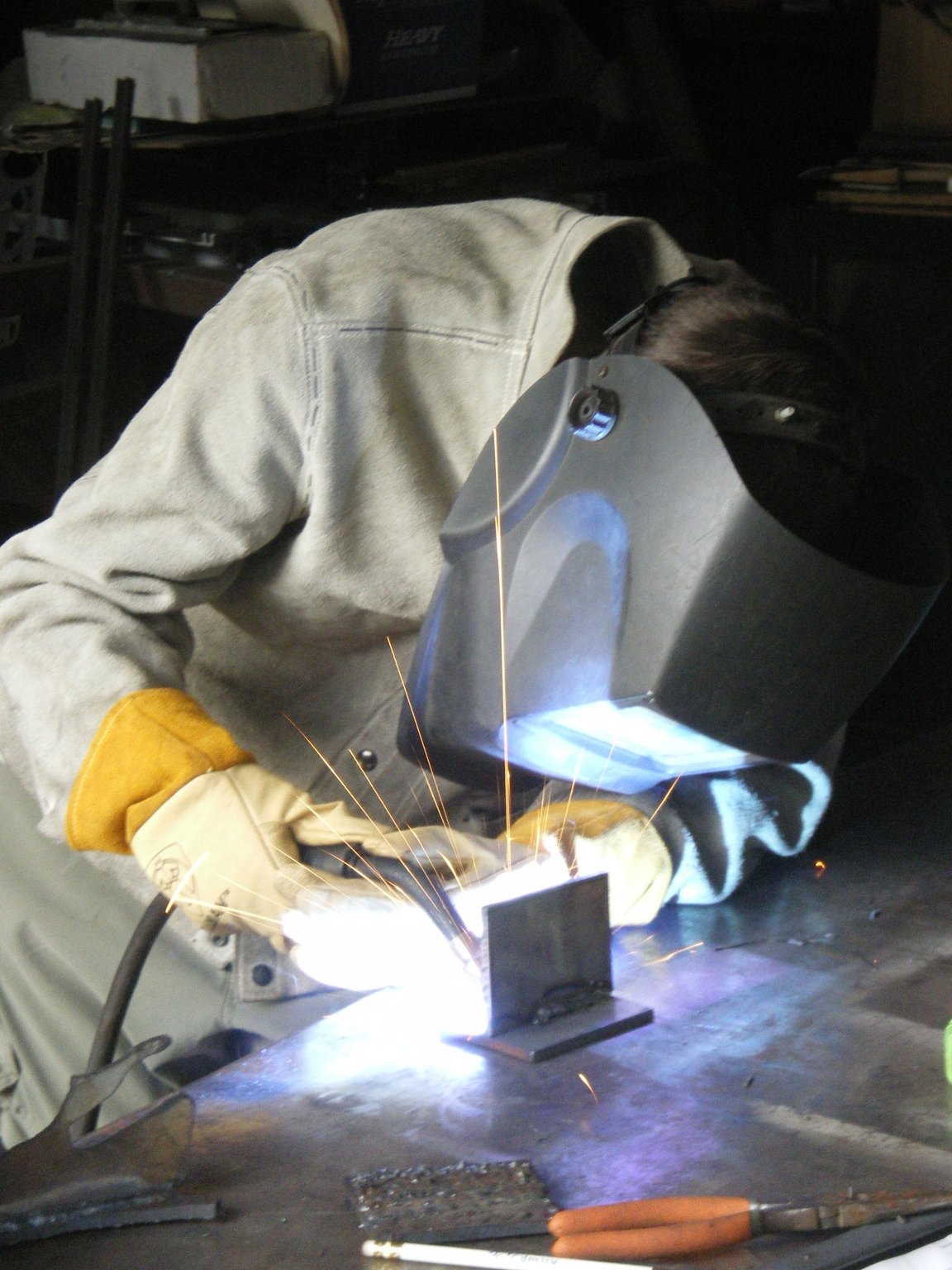
Once the metal components have been cut, shaped, and formed, the next stage of the metal fabrication process is to weld and assemble the components into the final product. This can be a challenging task, as it requires a high degree of skill and expertise to achieve a strong and durable weld. There are various welding techniques that can be used, including shielded metal arc welding, gas metal arc welding, and gas tungsten arc welding, depending on the type of metal and the desired level of precision. In addition to welding, metal fabrication also involves assembling the metal components into the final product, which can involve the use of rivets, bolts, and other fasteners.
The Importance of Metal Fabrication in Industry
Metal fabrication plays a vital role in various industries, including construction, automotive, and aerospace. In the construction industry, metal fabrication is used to create structural components, such as beams and columns, as well as architectural features, such as staircases and handrails. In the automotive industry, metal fabrication is used to create vehicle components, such as chassis and body panels, as well as engine and transmission components. In the aerospace industry, metal fabrication is used to create aircraft and spacecraft components, such as fuselage and wing structures, as well as engine and propulsion components.
Applications of Metal Fabrication
The applications of metal fabrication are diverse and widespread, ranging from simple tools and machinery to complex structures and equipment. Some common applications of metal fabrication include the creation of machinery and equipment, such as pumps, gears, and motors, as well as the creation of structural components, such as beams and columns. Metal fabrication is also used to create architectural features, such as staircases and handrails, as well as to create vehicle components, such as chassis and body panels. In addition, metal fabrication is used to create aircraft and spacecraft components, such as fuselage and wing structures, as well as to create medical equipment, such as surgical instruments and hospital furniture.
The Benefits of Metal Fabrication
There are numerous benefits to using metal fabrication, including the ability to create complex shapes and forms, as well as the ability to produce high-strength and durable products. Metal fabrication also allows for the creation of customized products, which can be tailored to meet specific needs and requirements. In addition, metal fabrication is a cost-effective method of production, as it allows for the creation of high-quality products at a lower cost than other methods. Furthermore, metal fabrication is a versatile process, as it can be used to create a wide range of products, from simple tools and machinery to complex structures and equipment.
The Future of Metal Fabrication
As technology continues to evolve, the future of metal fabrication is likely to involve the use of advanced techniques and processes, such as 3D printing and computer-aided design. These technologies will enable the creation of complex shapes and forms, as well as the production of high-strength and durable products. In addition, the future of metal fabrication is likely to involve the use of sustainable and environmentally friendly processes, such as the use of recycled metals and energy-efficient equipment. By adopting these new technologies and processes, metal fabricators will be able to create high-quality products while minimizing their environmental impact. You can expect to see significant advancements in the field of metal fabrication in the coming years, as new technologies and processes become available, and as the demand for high-quality metal products continues to grow.
A Simple Plan For Investigating
The 10 Most Unanswered Questions about

 Understanding the Duty of a Home Assessment Professional